
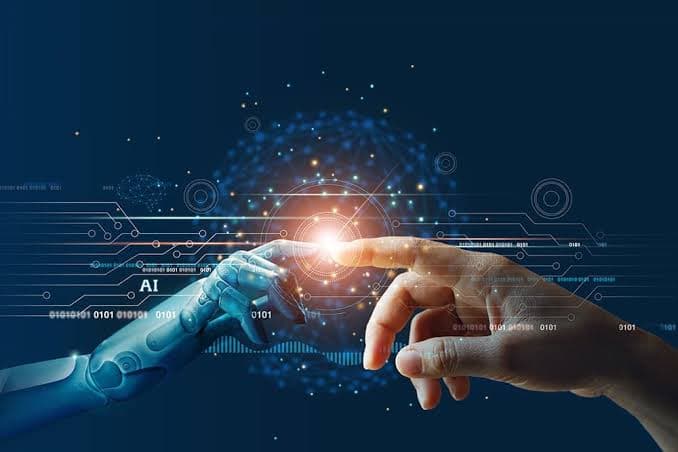
Artificial Intelligence (AI) has become one of the most revolutionary technologies of the 21st century. From powering virtual assistants and recommendation systems to driving self-driving cars and advanced medical diagnostics, AI is reshaping industries and changing the way people live and work. As businesses and governments continue to invest in AI-driven solutions, its influence is expected to grow even further in the coming years.
What is Artificial Intelligence?
Artificial Intelligence refers to the ability of machines and computer systems to perform tasks that typically require human intelligence. These tasks include learning from data, recognizing patterns, understanding language, solving problems, and making decisions. AI systems use technologies such as machine learning, deep learning, natural language processing (NLP), and computer vision to improve their performance over time.
Applications of AI
AI is being used across multiple industries to increase efficiency and improve user experiences.
Healthcare
AI assists doctors in diagnosing diseases, analyzing medical images, predicting health risks, and discovering new drugs. AI-powered tools can detect conditions such as cancer and heart disease at early stages, enabling timely treatment.
Education
Educational platforms use AI to personalize learning experiences, recommend study materials, and provide instant feedback to students. AI-powered tutors help learners understand complex concepts at their own pace.
Finance
Banks and financial institutions use AI for fraud detection, credit scoring, algorithmic trading, and customer support through intelligent chatbots. These systems improve security while reducing operational costs.
Retail and E-commerce
Online shopping platforms leverage AI to recommend products based on customer preferences, optimize inventory management, and provide personalized shopping experiences.
Transportation
AI plays a crucial role in autonomous vehicles, traffic management, route optimization, and predictive maintenance, making transportation safer and more efficient.
Benefits of Artificial Intelligence
AI offers numerous advantages that contribute to economic growth and technological advancement:
Automates repetitive and time-consuming tasks.
Improves decision-making through data-driven insights.
Enhances productivity and operational efficiency.
Reduces human errors in critical processes.
Delivers personalized customer experiences.
Accelerates scientific research and innovation.
Challenges and Concerns
Despite its many benefits, AI also presents several challenges that must be addressed responsibly.
Job Displacement
Automation may replace certain repetitive jobs, requiring workers to develop new skills for emerging roles.
Data Privacy
AI systems often rely on large amounts of personal data, raising concerns about data security and privacy.
Bias and Fairness
If AI models are trained on biased datasets, they can produce unfair or discriminatory outcomes.
Ethical Issues
The responsible development of AI requires transparency, accountability, and regulations to ensure it benefits society without causing harm.
The Future of AI
The future of Artificial Intelligence is filled with exciting possibilities. AI is expected to become more integrated into everyday life through smart homes, intelligent healthcare systems, autonomous transportation, robotics, and advanced digital assistants. Businesses will increasingly rely on AI to automate operations, improve customer experiences, and make informed decisions.
However, as AI continues to evolve, governments, organizations, and researchers must work together to establish ethical guidelines and ensure that AI is developed responsibly.
Conclusion
Artificial Intelligence is transforming the world at an unprecedented pace. Its ability to analyze data, learn from experience, and solve complex problems has made it an essential tool across industries. While AI offers tremendous opportunities for innovation and economic growth, it also requires careful regulation and ethical consideration. By embracing responsible AI development, society can harness its full potential to create a smarter, more efficient, and more inclusive future.