
Introduction
The Pench River is one of the most important rivers of central India, flowing gracefully through Maharashtra and Madhya Pradesh. In Gondia district, it is more than just a water body—it is a symbol of heritage, life, and sustenance. Its waters have shaped the district’s agriculture, culture, and ecology for centuries.
Geographical Origin & Course
The Pench River originates in the Satpura ranges near Tamia in Madhya Pradesh. From there, it flows southward, crossing the Maharashtra border and entering Gondia district before eventually joining the Kanhan River, a tributary of the Wainganga.
- Total Length: ~ 192 km
- Major Tributaries: Hirri, Chorga, and other seasonal streams
- Key Locations in Gondia: Amgaon, Salekasa, and Deori tehsils benefit from its water flow.
Historical Significance
The Pench River has been mentioned in ancient travel accounts and local folklore, often revered as a source of life. Villages along its banks have depended on it for centuries, not just for drinking water, but also for irrigation, fishing, and cultural rituals.
Local Uses & Water Heritage
1. Agriculture & Irrigation
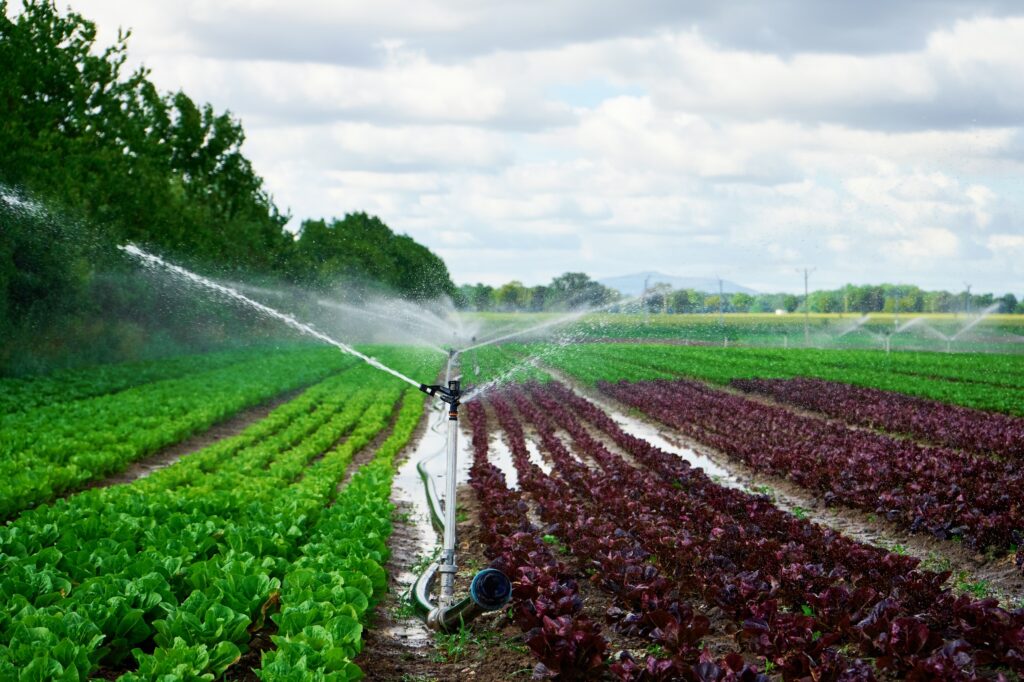
The fertile lands along the Pench are ideal for crops like paddy, wheat, and pulses. The Pench Irrigation Project and canal systems have been instrumental in improving crop yields.
2. Drinking Water Supply
Several towns and villages in Gondia depend on the river as a primary source of drinking water.
3. Fishing & Livelihood
Local communities engage in small-scale fishing, catching species like rohu, catla, and mrigal, contributing to both food supply and income.
4. Religious & Cultural Role
The Pench’s banks host annual fairs, festivals, and rituals, especially during monsoons and harvest seasons, reinforcing its cultural connection.

Biodiversity & Environmental Importance
The Pench River Basin is home to rich biodiversity, including migratory birds and aquatic species. The nearby Pench Tiger Reserve depends on its waters for sustaining wildlife.
Conservation Challenges
- Seasonal water shortage due to over-extraction
- Pollution from agricultural runoff
- Climate change affecting monsoon patterns
Local NGOs and government initiatives are working on river rejuvenation and sustainable water use practices.
How to Visit & Explore
Tourists visiting Gondia can explore scenic river stretches, especially during post-monsoon months. Nature walks, bird watching, and photography near the Pench banks are popular activities.
Conclusion
The Pench River is not just a geographical feature—it is Gondia’s lifeline, shaping its history, economy, and ecology. Protecting this river ensures the preservation of Gondia’s water heritage for generations to come.
